Automated Insurance Claims: Accelerating FNOL with AI Automation
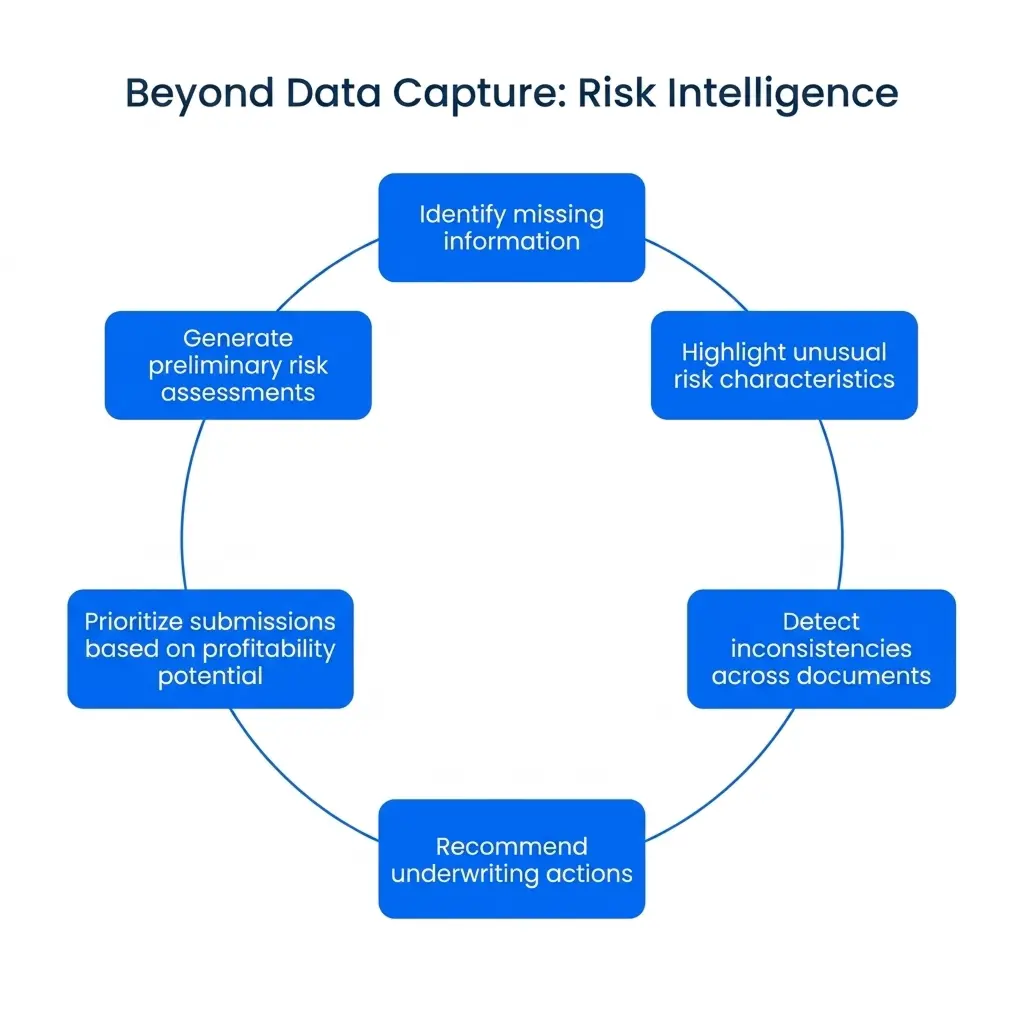
The process begins with First Notice of Loss (FNOL), where speed and accuracy have the greatest impact on customer satisfaction. Traditional FNOL workflows rely on manual data entry, document verification, and repetitive follow-ups that delay claim initiation. Understanding how AI transforms FNOL with automation, insurers can automatically capture claim details, validate policy information, detect missing data, and route cases to the appropriate adjusters in real time. This reduces processing delays, minimizes human errors, and creates a faster, more seamless claims experience for both insurers and policyholders.
Table of Contents
is Claims Document Automation Software Simplifies Claims Processing easy with Neutrinos?
Modern claims document automation software eliminates the burden of handling large volumes of claim-related paperwork. AI-powered solutions automatically classify, extract, validate, and organize documents such as claim forms, medical reports, repair estimates, invoices, and supporting evidence. By integrating with policy administration and claims management systems, document automation reduces manual intervention, improves data accuracy, and accelerates claim adjudication. As part of our strategy, document automation helps insurers improve operational efficiency while maintaining compliance and audit readiness.
Building Intelligent Automated Insurance Claims Workflows
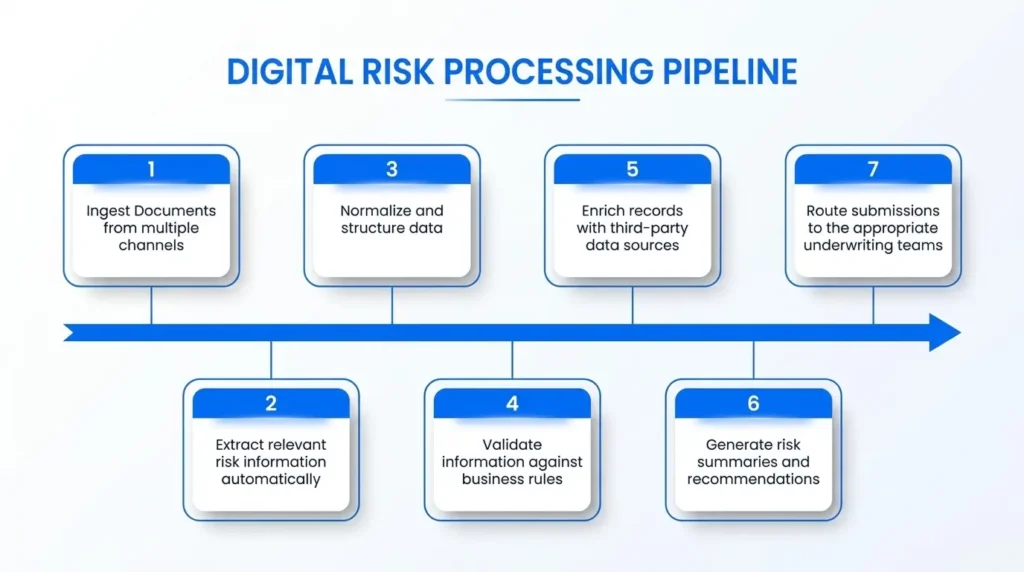
Successful claims platforms combine AI, intelligent document processing, workflow orchestration, and decision automation to streamline the entire claims lifecycle. From how AI transforms FNOL with automation to automated document verification and settlement recommendations, insurers can reduce claim cycle times, lower operational costs, and improve fraud detection. With advanced claims document automation software, insurance organizations can scale claims operations, deliver faster settlements, and provide a more personalized customer experience while empowering adjusters to focus on complex, high-value cases.
Here are credible statistics you can use in your article on automated insurance claims, AI-powered FNOL, and claims document automation software.
| Statistic | Source |
|---|---|
| Aviva deployed more than 80 AI models across its claims operations, reducing liability assessment time for complex claims by 23 days, improving claim routing accuracy by 30%, reducing customer complaints by 65%, and generating over £60 million in savings in 2024. | McKinsey & Company (2025) (McKinsey & Company) |
| A European insurer implementing AI-based fraud detection achieved an 18% increase in fraud prevention accuracy while improving investigator productivity. | McKinsey – Claims in the Digital Age (McKinsey & Company) |
| McKinsey estimates that 80–90% of health insurance claims are already automatically adjudicated, with AI expected to increase automation rates to more than 95%. | McKinsey (McKinsey & Company) |
| Deloitte implemented an AI-powered insurance claims automation solution that enabled an insurer to process up to 10× more claims-related documents through intelligent document processing. | Deloitte AI for Financial Services & Insurance Whitepaper (Deloitte) |
| Myriad Genetics reduced AI document processing time from 10 minutes to just 20 seconds per document, saving approximately 300 staff hours every month after modernizing its AI-powered document automation platform. | Business Insider (2026) (Business Insider) |
| McKinsey highlights that AI-powered claims processing can automate simple claims, enable real-time FNOL, predict fraud, estimate losses from customer-submitted images, and significantly accelerate claim settlements. (McKinsey & Company) |
Quick “Did You Know?” stats
- 23 days faster liability assessment with AI-powered claims processing. (McKinsey & Company)
- 65% fewer customer complaints after AI transformation. (McKinsey & Company)
- 30% better claim routing accuracy using AI. (McKinsey & Company)
- 10× more claims documents processed through AI document automation. (Deloitte)
- 10 minutes → 20 seconds document processing time with AI. (Business Insider)
- 18% improvement in fraud detection accuracy using AI. (McKinsey & Company)
These are all from reputable sources such as McKinsey, Deloitte, and Business Insider, making them suitable for use in enterprise insurance content.
Automated insurance claims solutions leverage artificial intelligence and machine learning to continuously improve decision-making over time. By analyzing historical claims data, customer interactions, and settlement outcomes, AI models become more accurate in identifying claim patterns, predicting claim complexity, and recommending the next best action. This enables insurers to prioritize high-risk cases, automate low-risk claims, and ensure that resources are allocated efficiently without compromising customer service or regulatory compliance.
An intelligent claims ecosystem also enhances collaboration across multiple stakeholders, including policyholders, brokers, repair vendors, healthcare providers, and adjusters. Through automated workflows and claims document automation software, relevant documents, notifications, approvals, and status updates are shared instantly across systems. This eliminates communication bottlenecks, reduces claim processing delays, and provides complete visibility into every stage of the claims lifecycle, resulting in a more transparent and customer-centric experience.
As insurers continue their digital transformation journey, have become a strategic investment rather than just an operational improvement. Combining AI-powered FNOL automation, intelligent document processing, workflow orchestration, and real-time analytics enables insurers to reduce operational costs, improve claims accuracy, and deliver faster settlements at scale. Organizations adopting these technologies are better positioned to increase customer satisfaction, strengthen fraud prevention capabilities, and build more resilient, future-ready claims operations.
Automated insurance claims platforms provide insurers with real-time visibility into every claim through centralized dashboards and analytics. Claims managers can monitor claim volumes, processing times, bottlenecks, and adjuster workloads while using predictive insights to improve operational performance. These data-driven capabilities enable organizations to make faster business decisions, optimize resource allocation, and continuously enhance claims efficiency across multiple lines of business.
Regulatory compliance is another major advantage of . AI-powered workflows maintain complete audit trails by recording every action, approval, document update, and communication throughout the claims lifecycle. Claims document automation software also ensures that mandatory documents are captured, validated, and stored securely, helping insurers meet compliance requirements while reducing the risks associated with manual processing and incomplete documentation.
Customer expectations continue to rise, making speed and transparency essential for insurers. Automated insurance claims systems enable policyholders to submit claims digitally, upload supporting documents from any device, receive instant status updates, and communicate seamlessly throughout the claims process. By combining AI-driven decision-making, intelligent automation, and claims document automation software, insurers can deliver faster resolutions, improve customer trust, and create a superior digital claims experience.
what is this claims processing?
claims processing is how AI transforms FNOL with automation is what it does.. and ok ok bla
How does AI transform FNOL (First Notice of Loss) automation?
dont notice